


Products
News
- ▶ Carbon Steel Oil Tanker Trailers: Selecting Plate Thickness for Payload and Durability
- ▶ Oil Tanker Trailer Price Trends: How Steel, Aluminum, and Component Costs Move
- ▶ When Does a Higher-Priced Oil Tanker Trailer Reduce Downtime and Repair Risk?
- ▶ Comparing Oil Tanker Trailer Quotes: A Checklist for Like-for-Like Pricing
- ▶ How Tank Material, Axles, and Safety Systems Affect Oil Tanker Trailer Prices
How to Choose a 20 m³ 2-Compartment Fuel Tanker Truck for Mixed Fuel Delivery Routes
How to Choose a 20 m³ 2-Compartment Fuel Tanker Truck for Mixed Fuel Delivery Routes
Choosing the right 20 m³ 2-Compartment Fuel Tanker Truck is rarely just a capacity decision. For mixed fuel delivery routes, procurement teams usually have to balance product separation, legal axle load limits, road conditions, unloading efficiency, maintenance practicality, and the realities of local fuel distribution. A unit that looks acceptable on paper can still become expensive if its compartment layout does not match daily drop sizes, if the chassis struggles on poor roads, or if spare parts are difficult to source in the target market.
That is why the best buying process starts with route logic rather than brochure logic. If your fleet delivers different fuel grades on the same run, a 2-compartment configuration can make good operational sense. But the exact specification should be built around how the truck will be loaded, where it will travel, and how often it will cycle.
Start with the route, not the tank
Mixed fuel delivery routes often involve uneven customer demand. One station may need a larger diesel drop, while another needs a smaller gasoline volume. In that situation, a 20 m³ 2-compartment tanker can reduce empty return risk and improve delivery flexibility, but only if the compartment split reflects actual dispatch patterns.
A common mistake is to specify “2 compartments” without defining the working ratio. In practice, buyers should confirm whether they need a balanced split or an unequal one. A 10/10 layout may be simple, but it is not always the most efficient. If your route consistently carries more of one product than the other, a custom split may reduce partial loading and unnecessary repeat trips. This is especially relevant for fuel distributors serving remote stations where route recovery is costly.
Payload efficiency depends on more than nominal volume
The stated 20 m³ capacity is only one part of the selection. Procurement teams also need to look at tare weight, chassis suitability, and how local road enforcement treats gross vehicle weight. On paper, two trucks with the same tank volume may perform differently if one uses heavier material, a less suitable axle arrangement, or a chassis that leaves little margin for local load rules.
This becomes more important in East Africa, West Africa, and Saudi Arabia, where route conditions and compliance expectations can vary significantly by country and application. Some operators prioritize corrosion resistance, while others care more about suspension durability, brake serviceability, and tire commonality because downtime on regional routes is more expensive than a slightly lower initial purchase price.
For that reason, experienced manufacturers tend to discuss the full transport system, not just the tank body. Shandong ORNN Vehicle Co., Ltd., with 17 years in semi-trailer and transport equipment manufacturing, works across fuel, chemical, cargo, and heavy-equipment applications, which is useful when buyers need practical input on how tank design interacts with real operating environments rather than ideal ones.
Compartment design should match unloading reality
For mixed fuel work, internal layout matters as much as total volume. Ask about the partition structure, bottom loading or top loading arrangement, outlet configuration, and whether each compartment has an independent discharge path. If the truck will serve multiple stations in one trip, unloading speed and contamination control are not small details. They affect queue time, driver workload, and fuel accounting accuracy.
It is also worth checking whether the design allows future adaptation. Some operators start with two products and later adjust route planning or customer mix. A tanker that is easy to maintain and straightforward to inspect internally will usually age better in the fleet than one that is optimized only for factory specification sheets.
Road conditions often decide the right semi-trailer specification
In demanding markets, the tanker body cannot be considered separately from the running gear. Road shoulders, corrugated surfaces, urban congestion, and long-haul heat all put stress on suspension, braking, tires, and frame integrity. Buyers should look closely at axle capacity, suspension type, brake configuration, and the availability of replacement parts in the destination market.
Even when evaluating a smaller mixed-delivery unit, it helps to compare build philosophy across a manufacturer’s range. For example, a larger fuel transport product such as 41 m³ Single-Compartment Stainless Steel Tanker Truck with Vapor Recovery System shows what kind of engineering approach a supplier applies to safety and durability. In that model, details such as a 304 stainless steel tank, 4 mm tank shell, 5 mm end plates, ABS, drum brakes, mechanical suspension with 70 mm pins, and 12R22.5 tires indicate a focus on robust operating conditions. The exact specification for a 20 m³ 2-compartment unit will differ, of course, but the underlying attention to structural and service features is still relevant when judging a supplier.
Do not treat safety systems as optional extras
Procurement teams are sometimes pushed to compare trucks mainly by purchase price. That can be a costly shortcut in fuel transport. Emergency valves, anti-overflow provisions, grounding arrangements, vapor handling, braking performance, and manhole sealing quality all deserve attention. The required configuration will depend on local standards and project requirements, so these points usually need to be checked against destination-market rules rather than assumed.
This is also where buyers should ask sharper questions. Is the tanker intended for standard retail station supply, industrial fuel distribution, or more tightly controlled petroleum operations? Will it be inspected by an oil company, a government body, or both? Is vapor recovery expected on the project? Not every route needs the same system level, but failing to clarify this before production can cause delays, rework, or import complications.
Material choice is a lifecycle question
Buyers often focus on whether the tank should be carbon steel, aluminum alloy, or stainless steel. There is no universal answer. Material selection should reflect fuel type, corrosion exposure, cleaning requirements, weight targets, and budget. Stainless steel may be attractive for certain fuel transport conditions and service-life expectations, while other projects prioritize lower initial cost or easier repair practices. The decision needs to be tied to operating reality, not just preference.
A supplier with a broad product portfolio usually has a better basis for this discussion. Manufacturers serving fuel tanker trailers, chemical liquid tanker trailers, dump semi-trailers, flatbed semi-trailers, and lowbed semi-trailers tend to see more variation in how equipment performs across applications and regions. That kind of exposure can be useful when a buyer is comparing not just one truck, but a long-term fleet standard.
Questions worth settling before you place the order
Before approving a 20 m³ 2-Compartment Fuel Tanker Truck, it is worth locking down a few practical points:
- Actual compartment ratio required by your route plan
- Chassis and axle specification suitable for local load limits and road conditions
- Discharge system layout for fast, clean multi-stop delivery
- Brake, suspension, and tire configuration aligned with local maintenance capability
- Fuel compatibility, tank material, and corrosion expectations
- Project-specific safety or vapor-control requirements
- Documentation, drawings, and any market-specific compliance checks needed before shipment
A good procurement decision usually comes from aligning these details early. If the route is mixed, the truck should be designed for mixed work, not adapted to it afterward.
The best 20 m³ 2-Compartment Fuel Tanker Truck is not necessarily the lightest, cheapest, or most feature-heavy option. It is the one that fits your fuel mix, your roads, your maintenance environment, and your compliance obligations with the fewest hidden compromises. If those variables are still moving, it makes sense to confirm the compartment split, chassis base, safety configuration, and delivery-market requirements before finalizing the build.
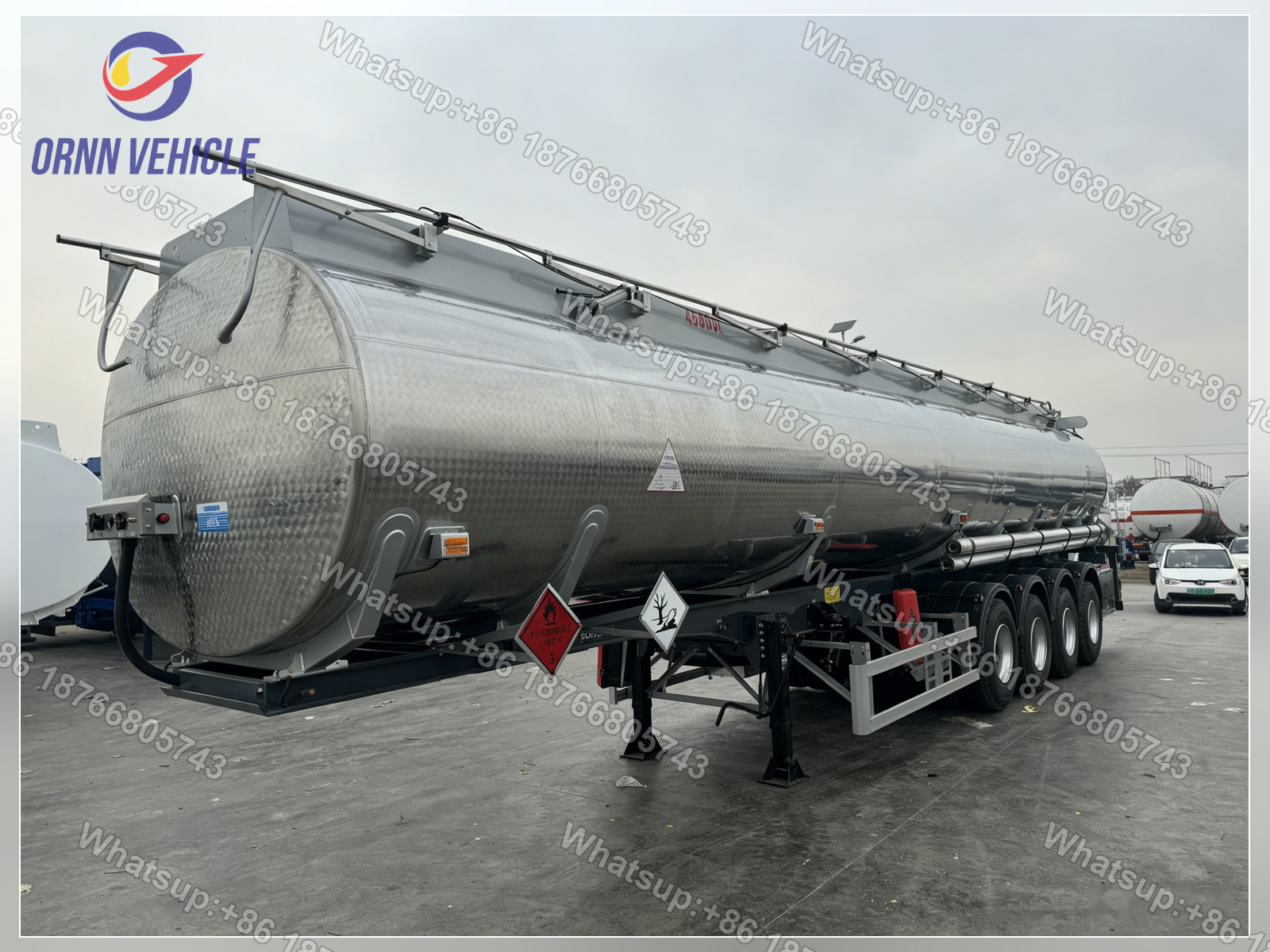
 45 m³ Single-Compartment Stainless Steel Oil Tanker Truck45m³ single-compartment stainless steel oil tanker semi trailer with 4 axles, 45,000L capacity, and durable design for fuel transport.
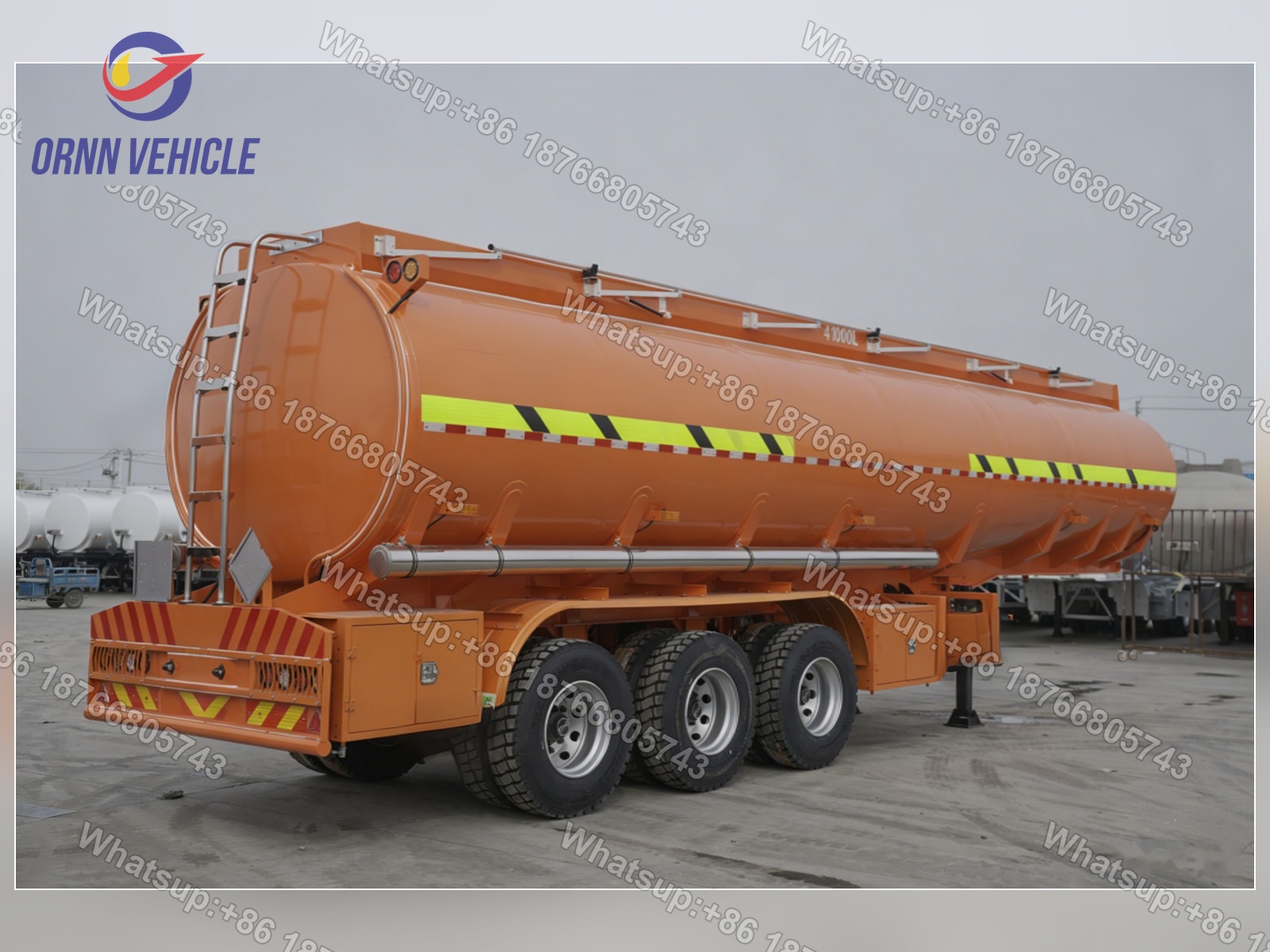
 41 m³ Single-Compartment Stainless Steel Tanker Truck with Vapor Recovery System41m³ single-compartment stainless steel tanker truck with vapor recovery system, 3 axles, ABS, and 41,000L capacity for fuel transport.
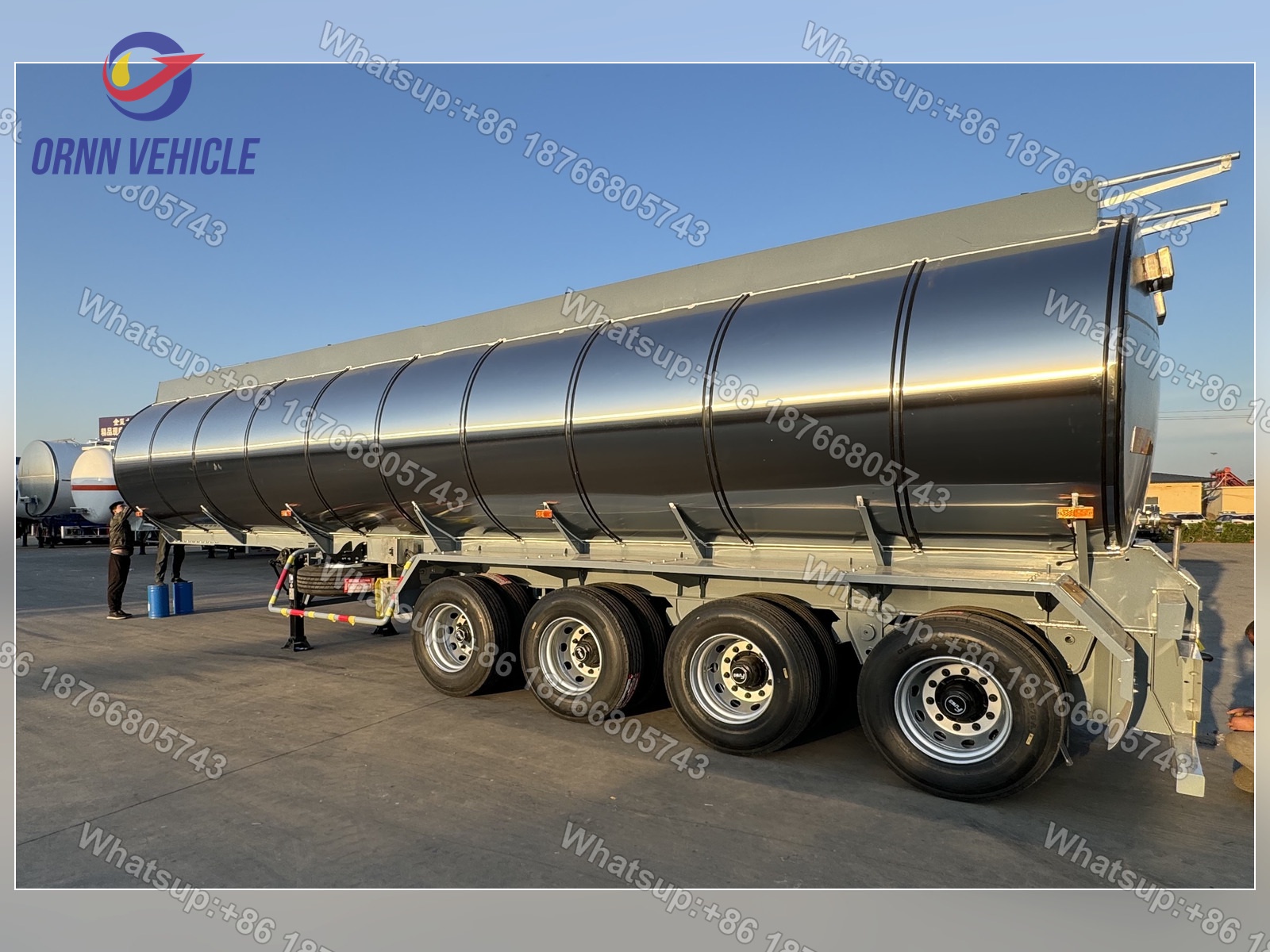
 38 m³ Stainless Steel Insulated Palm Oil Tanker38 m³ stainless steel insulated palm oil tanker with 4 axles, 304 SS tank body and air suspension for safe, efficient liquid transport.
Get Quote Form
Please complete the form below, and our product experts will contact you within one business hour. All inquiry details are kept strictly confidential and used solely to provide you with a precise solution.
✅ 24/7 Engineer Online Support | Ready for any technical inquiries.
✅ Full Export Documentation Support | We provide full set of shipping documents to ensure smooth customs clearance.
LOGO
This stunning beach house property is a true oasis, nestled in a serene coastal community with direct access to the beach.
Opening Hours
Monday - Friday : 9AM to 5PM
Sunday: Closed
Closed during holidays
Contact
+18888888888
hezuo@eyingbao.com123 West Street, Melbourne Victoria 3000 Australia
Request a Free Quote Today
Need mainstream models or custom specs? Our engineers are ready.
Contact us today for a lasting partnership!